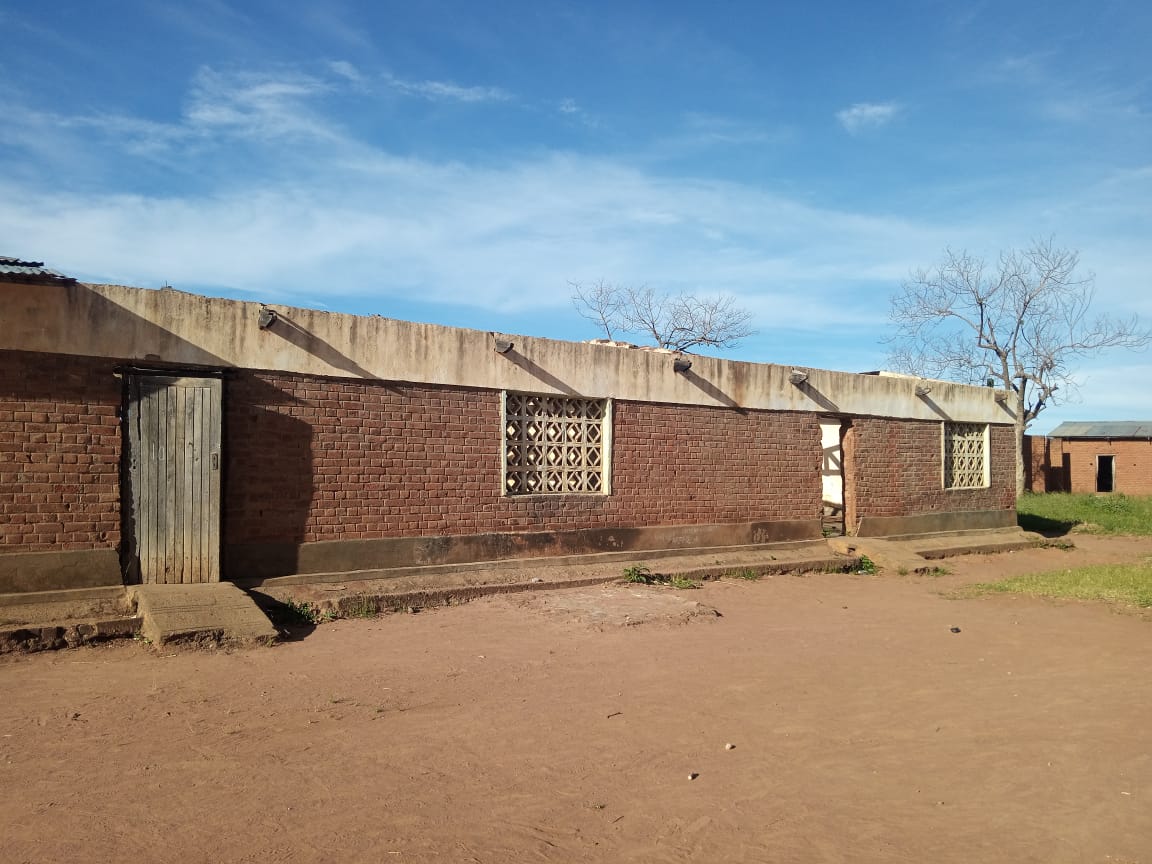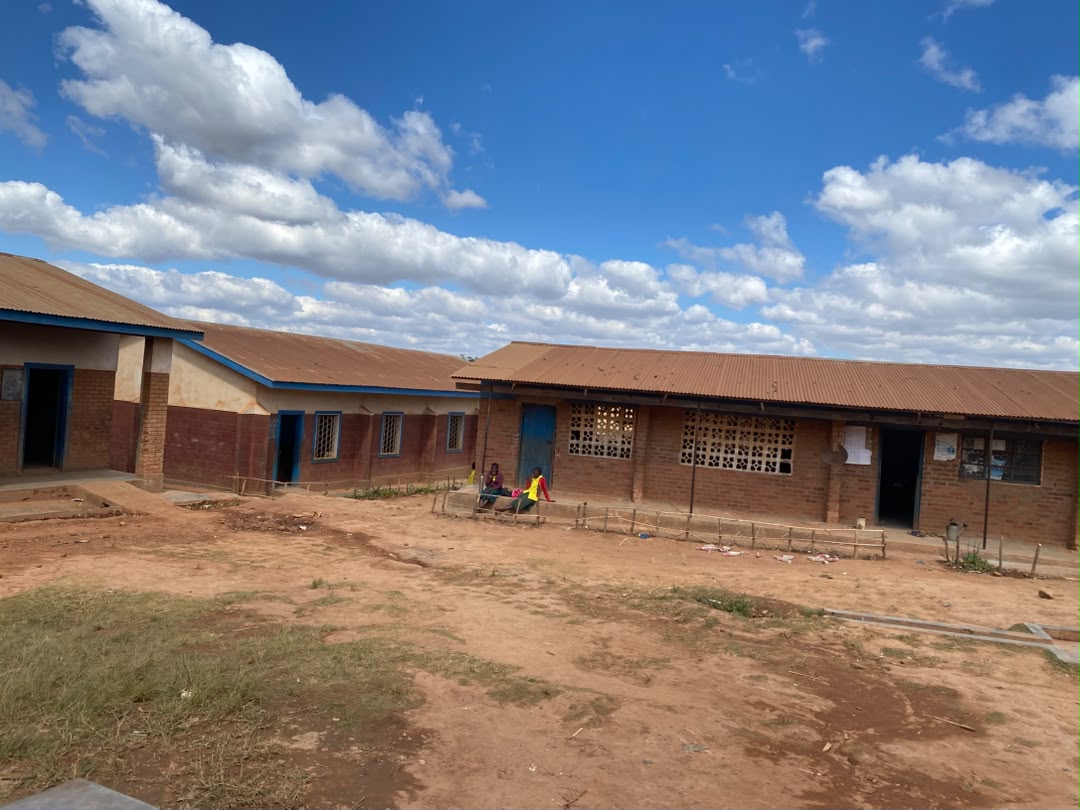
The school bell never fails to ring in the morning, and its metallic cry cuts through the quiet air of Chamama in the north-eastern part of Kasungu. It echoes across dusty footpaths, maize fields, and scattered homesteads, summoning learners to a place where dreams are meant to take shape. But for many pupils at Liwala Primary School, learning does not always begin when the bell rings.
It calls them from every direction to gather in pursuit of knowledge. They arrive carrying exercise books tucked under their arms. Others in schoolbags. Dreams much bigger than the classrooms that house them.
While the pupils are always present, learning often starts late. For the children of Liwala Primary School, the first lesson of the day is not Mathematics, English, Chichewa, or Expressive Arts. It is patience.
They wait for teachers who commute three to four kilometres before they can stand before the blackboard and transform eager curiosity into learning. With their school uniforms neatly tucked in and books clutched to their chests, the pupils wait expectantly. Some are barefoot, while others wear shiny shoes that reflect the bright future they dream of. They stare at the empty classroom, waiting for it to be filled by their teachers.
On paper, four kilometres may appear insignificant. In reality, it can mean arriving late to class after navigating muddy roads, and enduring long walks under relentless sun or pouring rain.
Seventeen teachers at Liwala Primary school have the responsibility of handing over the key to success to the 1674 learners. But these teachers endure long journeys to reach the school compound.
To add fuel to the fire of misery, when the rainy season arrives, the challenge becomes even direr. The roads become slippery and nearly impassable. Teachers often have no choice but to delay their journeys until conditions improve.
For years, this has been the reality at Liwala Primary School, which accommodates 1,674 learners and 17 teachers. Of the 17 teachers, the school has only one house, which is reserved for the head teacher. The rest of the teachers rent houses off the school campus, often in distant places.
The school’s Deputy Head Teacher, Clara Mawalu, laments the inadequate accommodation, saying the shortage of teachers’ houses affects the delivery of education.
“Approximately, teachers commute three to four kilometres to reach this school. These are the teachers on whom the whole school relies. Liwala Primary School has only one house, which is solely for the head teacher,” Mawalu explains.
“Teachers often arrive late at school due to the distance they have to cover. In addition, there are challenges related to rentals in different areas where teachers stay. For instance, some teachers rent houses with fees that are very high compared to the salaries they receive at the end of the month,” she adds.
Mawalu says attendance is particularly poor during the rainy season, when mobility becomes even more difficult, adding that if the school had more teachers’ houses, these challenges could be reduced.
She also says the quality of education is affected by late commencement of classes. Instead of starting at the first lesson period, most classes begin late, which disrupts effective learning.
Commenting on the issue, the Director of Education and Sports for the district, Votie Mboweni, acknowledges that inadequate staff housing is affecting many schools in the district.
“We are aware of the meagre number of teachers’ houses at Liwala Primary School. As a matter of fact, there are many primary schools in Kasungu facing different challenges that require attention. It is also unfortunate that many teachers in the district are facing this difficult situation,” says Mboweni.
Mboweni further says that his office is working with stakeholders, development partners, communities, and Constituency Development Fund (CDF) committees to include the construction of teachers’ houses in their development plans.
Meanwhile, the Chairperson of the Constituency Development Committee (CDC) for Kasungu North East, Charles Chanda, confirms that the school has been included in this year’s constituency development plans. He also says funds have been allocated for the rehabilitation of two classroom blocks.
“Liwala Primary School has already been considered under this year’s CDF programme because two classroom blocks require rehabilitation. However, given the limited CDF allocation, it is not possible to fund both the rehabilitation of the classroom blocks and the construction of teachers’ houses,” says Chanda.
“We receive development proposals from the Area Development Committees (ADCs), which prioritise projects based on community needs. In this case, the community prioritised the rehabilitation of the two classroom blocks over the construction of teachers’ houses.
“I would have to confirm the exact amount allocated for the rehabilitation of the two classroom blocks, but it is more than K20 million,” Chanda adds.
Chanda also notes that although the construction of teachers’ houses was not included in this year’s plans, it will be considered in next year’s development plans.
Nonetheless, he says the construction of teachers’ houses remains a priority on the constituency’s development agenda.
By Baxton Chipeta and Tawina Kuluweya
#KCRnews
#Yourpartnerindevelopment