Picture this. It is a 2006 night at Gogode. The village is perched about 25 kilometers north-east of Kasungu Boma in the area of Traditional Authority Kaomba. A woman is giving birth on her way to the Kasungu District Hospital (KDH).
She is not in a ward. There are no nurses, no clean beddings, and no lighting. Only the cold air along Gogode’s rough dusty roads, the sound of hurried footsteps, and a bicycle struggling through the darkness as life slips closer to danger with every kilometer to cover.
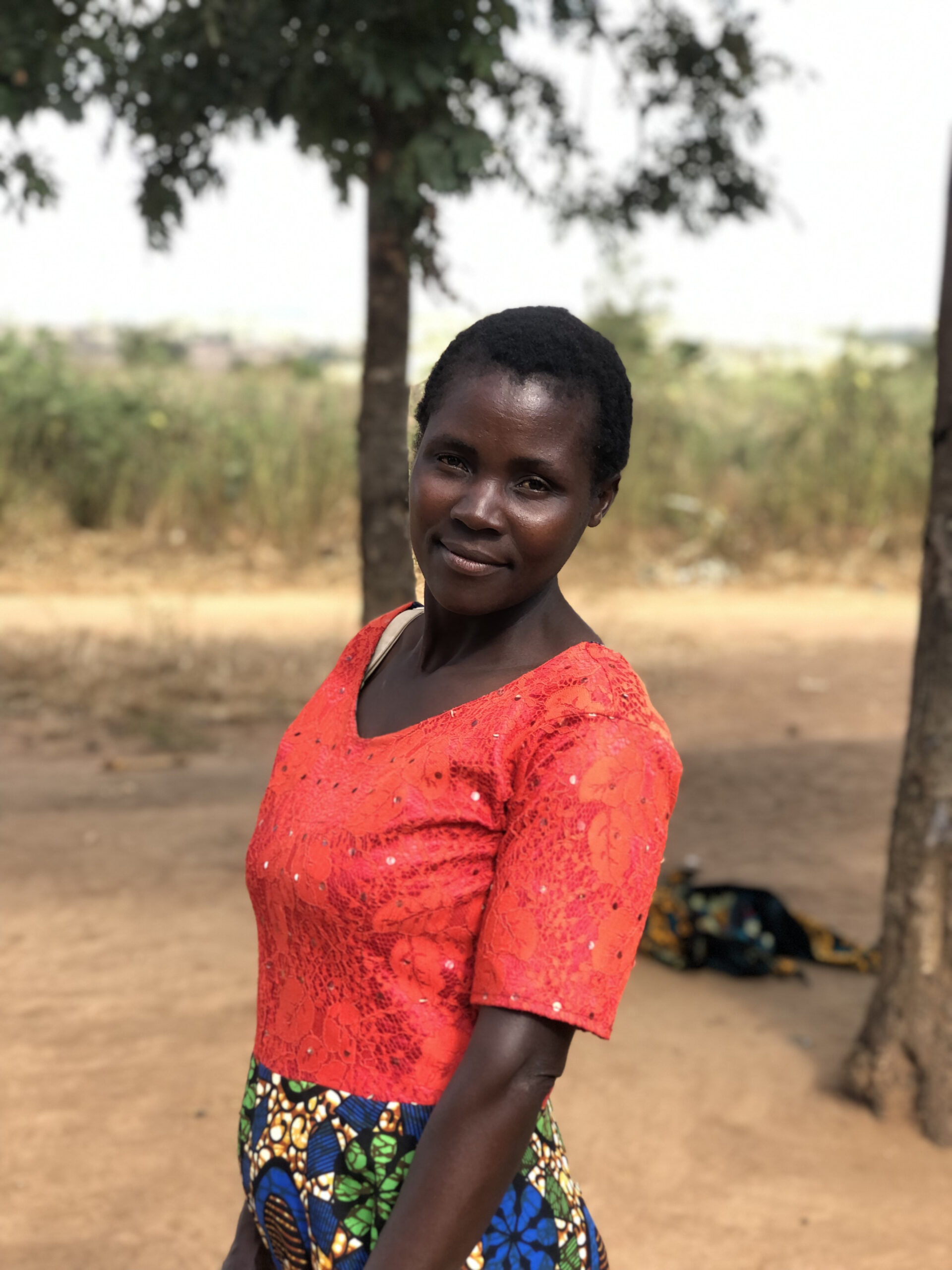
As they cycle, the cries of labour break the silence of the night as 37-year-old Beatrice Phiri struggles through intensifying labour pains.
There is no ambulance and no nearby maternity wing. Kasungu District Hospital is the family’s only hope. Yet this reality contradicts the national policy of ensuring that every person has access to a health facility with maternity services within a five-kilometer radius.
Before reaching the hospital, Beatrice can no longer hold on. She gives birth by the roadside.
“I thought I was going to lose my baby and my life that night. The pain was too much,” recalls Beatrice, almost twenty years later.
For many years, giving birth at Gogode and surrounding villages was difficult and dangerous. Pregnant women travelled long distances while in labour. Some delivered their babies on the road, like Beatrice, while others gave birth at home risking both their lives and those of their newborns.
In 1996, Efrida Jekapu from Masasa Village, Traditional Authority Chitanthamapiri faced a similar experience. Flooded rivers and muddy roads made travelling to the referral facility almost impossible.
“We tried everything possible to reach the hospital, but there was no help, and I ended up giving birth on the road,” she recalls.
These miseries are no longer cause for worry thanks to a new structure closer to Effrida and other mothers. For Gogode women childbirth is no longer a journey of fear and survival as hope has come closer to their homes, thanks to a timely intervention.
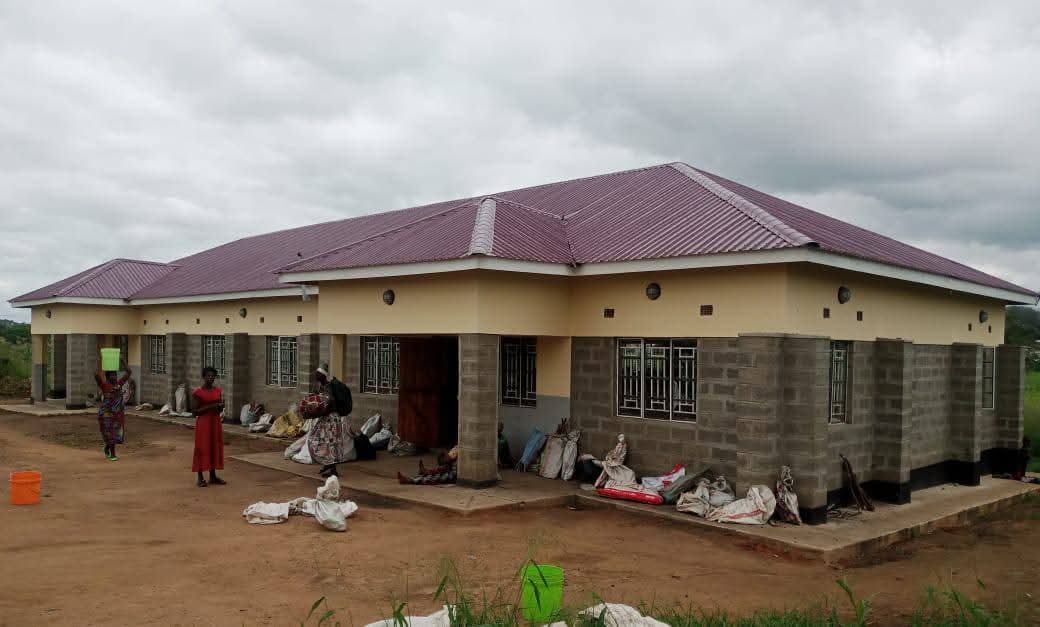
In 2022, the Kasungu District Council commenced the construction of a maternity wing at Gogode Health Centre using a performance-based grant under the World Bank-funded Governance to Enable Service Delivery (GESD) Project.
The facility was officially opened in December 2025, bringing safe maternal health services closer to thousands of women in the area.
For Teleza Phiri from Ngulube Village, Traditional Authority Chitanthamapiri, who was waiting to deliver at the facility at the time of her interview, the new maternity wing meant safety and peace of mind.
“Previously, giving birth was a serious risk because we had to travel to the Boma, which was challenging due to poor road conditions, especially during emergencies at night.
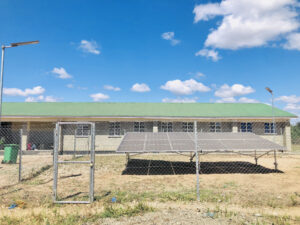
“Now that we have the maternity wing here, safe motherhood is within reach. However, the facility still faces some challenges, including shortage of beds, water supply problems, and unstable electricity,” she notes.
Senior Group Village Head Gogode says the maternity wing has reduced the suffering women endured for many years.
“People in this area suffered for a long time because health services were far away”, he says adding that the maternity wing “has brought relief to our community.”
Kasungu District Director of Health and Sanitation, Dr. Emmanuel Golombe, says the maternity wing is equally a relief to the Kasungu District Hospital and nearby health facilities.
“It has helped reduce congestion at our main hospital and is also helping to save lives that could otherwise have been lost,” he notes.
Dr. Golombe urges communities and Constituency Development Fund (CDF) committees to prioritise challenges affecting health services in their areas.
Presidential Advisor on Safe Motherhood Maria Mainja says the new maternity wing at Gogode Health Centre will improve access to maternal healthcare.
“We commend the government for expanding maternity services in rural areas so that women can access care close to home. This will help reduce delays during labour and ensure safer deliveries for both mothers and babies,” Mainja says.
Meanwhile, Braxton Banda, District Civil Society Network Chairperson, has called on the government and development partners to continue investing in maternal healthcare services in rural areas.
“Communities have carried this burden for many years. More support is needed so that every woman can access safe delivery services with dignity,” he says.
By Lameck Dimiton Gift
#KCRnews
#Yourpartnerindevelopment